


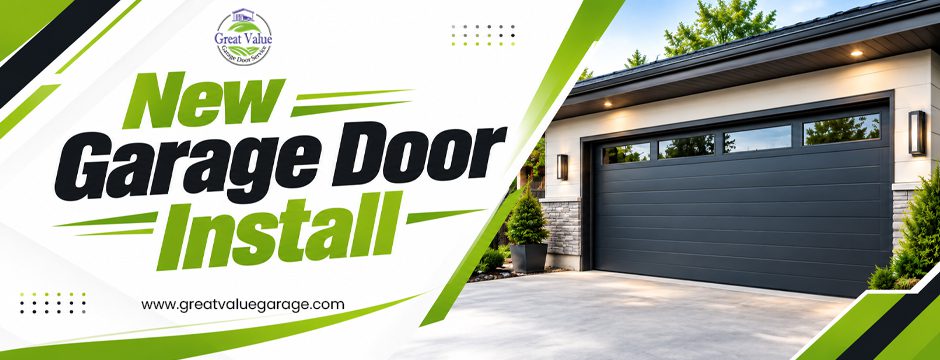
A new garage door can change more than the appearance of your home. It affects curb appeal, security, insulation, daily convenience, and the way your garage functions throughout the year. Choosing the right door requires more than selecting a color from a catalog. You need to consider the door style, material, insulation, size, opener compatibility, hardware, installation requirements, and total project cost.
A professional new garage door install should also account for the existing garage structure and operating system. A door that looks right but is poorly sized, incorrectly balanced, or installed with unsuitable hardware can create problems soon after installation.
This guide explains the main garage door styles, materials, cost factors, installation process, and practical considerations to help you make an informed decision.
When Should You Consider a New Garage Door?
Garage doors can last for many years with proper maintenance, but replacement eventually becomes more practical than repeated repairs. Visible deterioration, frequent breakdowns, outdated hardware, poor insulation, and excessive operating noise can all indicate that replacement is worth considering.
A new door may also make sense when:
- The existing door has significant structural damage.
- Multiple panels are bent or deteriorated.
- The door repeatedly comes off its tracks.
- Springs, rollers, cables, and other components require frequent replacement.
- The garage has poor temperature control.
- You are remodeling the exterior of your home.
- The existing door does not provide the appearance or security you want.
- Your current door is incompatible with a planned opener upgrade.
If the door itself remains structurally sound, a repair may be sufficient. If several major components are failing at the same time, however, replacement can provide a more dependable long-term solution.
Popular Garage Door Styles
Garage doors are available in several designs. The right style depends on your home’s architecture, available space, personal preference, and budget.
Traditional Raised-Panel Doors
Raised-panel doors are a common choice for residential properties. Their segmented appearance works well with traditional and transitional home designs.
They are available in different materials, colors, window configurations, and insulation levels. Because of their broad availability, replacement parts and compatible hardware are generally easy to source.
Carriage House Garage Doors
Carriage house doors are designed to resemble the appearance of older swing-out garage doors while typically operating as modern sectional doors.
They can add architectural character to homes with traditional, farmhouse, craftsman, or rustic exteriors. Decorative handles, hinges, windows, and custom finishes can further define the look.
Contemporary Garage Doors
Contemporary designs typically emphasize clean lines, large windows, minimalist panels, and modern materials.
Glass and aluminum combinations are popular for homeowners who want more natural light in the garage. These doors can work particularly well with modern homes, although the amount of glass and insulation selected will affect the overall cost and performance.
Full-View Garage Doors
Full-view doors use large glass sections within an aluminum frame. They create a modern appearance and allow substantial natural light into the garage.
Different types of glass can provide varying levels of privacy and light transmission. If the garage is used as a workshop, studio, or additional living area, the added daylight can be particularly useful.
Choosing the Right Garage Door Material
The material affects appearance, maintenance requirements, durability, insulation, and price.
Steel
Steel is a popular choice because it combines strength, versatility, and relatively low maintenance. Steel doors can be manufactured with different panel designs and insulation levels.
For homeowners who want a practical residential door with many design options, steel is often a strong starting point.
Aluminum
Aluminum is lightweight and works particularly well for contemporary and full-view designs. Its lighter weight can also reduce the load placed on the operating system.
However, aluminum doors can be more susceptible to dents than heavier steel construction, depending on the design and gauge.
Wood
Wood garage doors provide a distinctive natural appearance and can be customized extensively. They can complement high-end architectural designs and homes where appearance is a major consideration.
Wood requires more maintenance than many manufactured alternatives. Exposure to moisture and changing weather conditions can affect the finish and condition of the door over time.
Fiberglass
Fiberglass doors can provide the appearance of other materials while offering different maintenance and durability characteristics. They are available in several finishes and designs, although availability and pricing vary by manufacturer.
How Much Does a New Garage Door Cost?
The cost of a new garage door depends on several variables, so there is no single price that applies to every installation.
The major cost factors include:
- Door size
- Material
- Insulation level
- Panel construction
- Windows
- Decorative hardware
- Custom finishes
- Garage door opener requirements
- Existing track and hardware condition
- Removal and disposal of the old door
- Structural modifications
- Labor and installation complexity
A basic single-car door with standard construction will generally cost less than a large custom door with premium materials, specialized windows, upgraded insulation, and decorative hardware.
The garage door opener may also be included as part of the project or purchased separately. If the existing opener is old, incompatible, or improperly sized for the replacement door, replacing it at the same time may be practical.
For an accurate project budget, request an itemized estimate that separates the door, hardware, opener, removal, installation, and any additional work.
Understanding Garage Door Insulation
Insulation is an important consideration when the garage is attached to your home or used as a workspace.
Insulated garage doors can reduce heat transfer through the door and may help create a more stable temperature inside the garage. They can also reduce outside noise and provide a more substantial feel during operation.
Insulation is commonly described using an R-value. A higher R-value generally indicates greater resistance to heat flow, although actual performance also depends on the door’s construction and installation.
If your garage is detached and used primarily for vehicle storage, basic construction may be sufficient. If the garage is attached to living areas or used regularly as a workspace, investing in better insulation may make more sense.
Garage Door Size and Measurements
Correct measurements are essential before ordering a replacement door.
The primary measurements include the width and height of the existing opening. However, the installer also needs to consider the space above the opening, side clearance, and the available area inside the garage.
These measurements affect the type of track and operating system that can be installed.
A professional installer should evaluate the complete opening rather than relying only on the visible door dimensions. Structural conditions, existing tracks, ceiling clearance, and opener placement can all affect installation.
What Is Included in the Installation Process?
A professional installation generally involves several stages.
1. Initial Assessment
The installer evaluates the existing garage door, opening, tracks, hardware, opener, and surrounding structure.
This assessment helps determine whether the existing setup can accommodate the new door or whether additional modifications are required.
2. Selecting the Door
The homeowner chooses the door style, material, color, insulation, windows, and other available features.
The installer can help verify that the selected door is appropriate for the garage dimensions and operating system.
3. Removing the Existing Door
If there is an old garage door, it must be removed before the replacement can be installed.
Garage doors contain springs and other components that can be under significant tension. Removal should therefore be handled by someone with the appropriate training and equipment.
4. Installing the New Door
The installer positions the new panels and installs the tracks, rollers, hinges, brackets, cables, springs, and other required hardware according to the door’s specifications.
Proper alignment is essential. Even a high-quality door can operate poorly if the tracks are incorrectly positioned or the hardware is improperly adjusted.
5. Installing or Checking the Opener
If an opener is being replaced, the new unit is installed and connected to the door system.
If the existing opener is being retained, it should be checked for compatibility and proper operation with the new door.
6. Testing and Adjustment
The completed system should be tested through multiple opening and closing cycles.
The installer checks balance, movement, alignment, safety features, and opener operation. Any necessary adjustments should be completed before the installation is considered finished.
Should You Replace the Garage Door Opener Too?
Not every garage door replacement requires a new opener. However, the opener should be evaluated before installation.
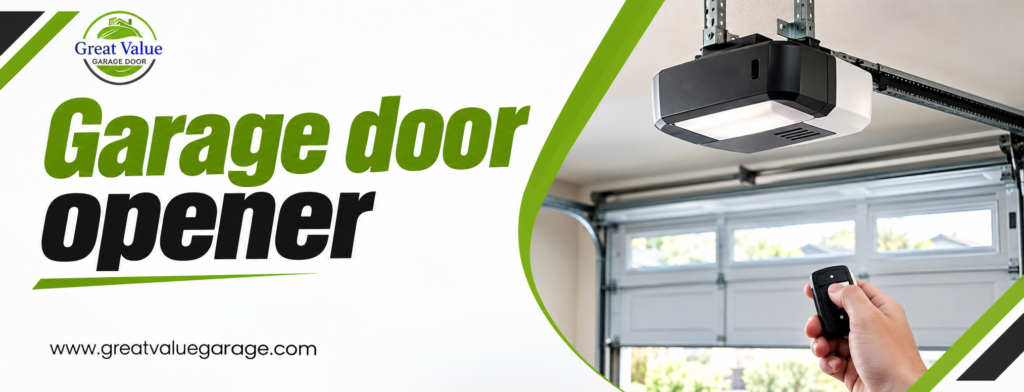
An older opener may have worn components, outdated safety features, or insufficient capacity for the new door. A new door can also have different weight and operating characteristics from the previous one.
Replacing both systems at the same time can provide a matched setup and eliminate the need to install an older opener onto a new door.
If your existing opener is relatively new and compatible with the replacement door, keeping it may be reasonable.
How to Choose the Right Garage Door Installer
The installer is just as important as the door itself. Poor installation can lead to uneven movement, excessive noise, premature component wear, and safety problems.
Before hiring a garage door company, ask about:
- Installation experience
- Warranty coverage
- Parts and hardware being used
- Removal of the existing door
- Opener compatibility
- Expected installation timeline
- Total project cost
- Whether permits or structural work are required
- Post-installation adjustments or service
A written estimate should clearly identify what is included. Avoid comparing companies based only on the initial door price because installation, hardware, removal, and additional work can significantly affect the final cost.
How Long Does Garage Door Installation Take?
The installation time depends on the size and complexity of the project.
A standard residential replacement may be completed in a few hours when the garage opening is in good condition and no structural modifications are required. More complex installations can take longer if the project involves custom doors, opener replacement, unusual dimensions, structural adjustments, or extensive removal work.
Your installer should provide a realistic timeframe after inspecting the garage.
Maintaining Your New Garage Door
Proper maintenance can help protect your investment and keep the door operating smoothly.
Inspect the door periodically for damaged panels, loose hardware, worn rollers, unusual sounds, and changes in movement. Keep the tracks clear of obstructions and have springs, cables, and other high-tension components inspected by a qualified professional.
Do not attempt to adjust or replace torsion springs yourself. These components can store substantial energy and can cause serious injury if handled incorrectly.
Regular professional inspections can identify wear before it develops into a larger repair.
Great Value Garage Door for Your New Installation
At Great Value Garage Door, we provide professional garage door installation and repair services for homeowners in Tacoma and surrounding areas. Our team handles new garage door installations as well as repairs, opener services, sensor issues, off-track doors, broken springs, and bent panels.
We focus on understanding the condition of the existing garage setup before completing the work. Our goal is to provide a properly installed door that operates safely and reliably. We also provide free estimates, transparent pricing, and service for both residential and commercial properties.
When you choose us for a new garage door install, we can assess the existing system, discuss the available options, and determine what the installation requires before work begins. Our service area includes Tacoma and nearby communities, allowing us to serve local homeowners and businesses with garage door installation and repair services.
Conclusion
A new garage door is a long-term investment in your property’s appearance, security, convenience, and functionality. The right choice depends on more than the door’s appearance. Material, insulation, size, operating hardware, opener compatibility, installation requirements, and maintenance should all be considered before making a decision.
Start by evaluating the condition and dimensions of your existing garage opening. Then compare styles and materials based on your home’s architecture, how you use the garage, and your budget. Get a detailed estimate that accounts for the complete installation rather than looking only at the door price.
Most importantly, choose an experienced installer who can properly measure the opening, install the required hardware, test the completed system, and address problems before they become costly repairs.
Frequently Asked Questions
1. How much does a new garage door installation cost?
The cost depends on the door’s size, material, insulation, design, windows, hardware, opener, removal of the old door, and installation requirements. A detailed estimate can provide the actual project cost.
2. How long does it take to install a new garage door?
A standard residential replacement may take a few hours when the garage opening is in good condition. Custom doors, opener replacement, structural modifications, or complex installations may require additional time.
3. Should I replace my garage door opener when installing a new door?
Not always. If your existing opener is relatively new and compatible with the replacement door, it may be possible to keep it. An older or incompatible opener may be better replaced during the installation.
4. What type of garage door is best for my home?
The right style depends on your home’s architecture, budget, maintenance preferences, and how you use the garage. Raised-panel, carriage house, contemporary, and full-view doors each offer different design and performance characteristics.
5. Is professional garage door installation necessary?
Yes. Garage doors contain high-tension springs, cables, tracks, and other components that require proper installation and adjustment. Professional installation helps ensure the door is correctly aligned, balanced, and safe to operate.