

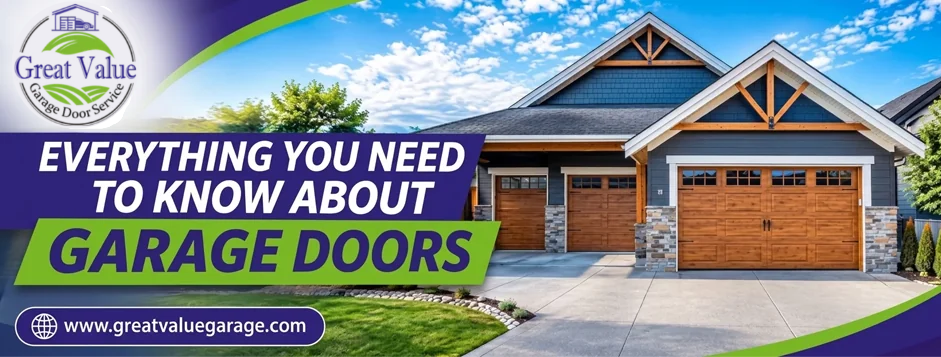
A garage door is one of the most frequently used parts of a home. It provides security, protects vehicles and belongings, improves curb appeal, and offers convenient access to the property. However, because garage doors contain heavy panels, moving parts, springs, cables, and electrical components, they require regular maintenance and proper handling to operate safely.
Many homeowners do not think about garage door maintenance until something stops working. A door that makes unusual noises, moves unevenly, refuses to close, or responds slowly to the opener may be showing signs of a developing problem. Ignoring these warning signs can lead to expensive repairs and potential safety hazards.
Whether you have a traditional manual door or a modern automatic system, understanding how garage doors work and how to care for them can help extend their lifespan. This guide covers the main types of garage doors, essential maintenance practices, common problems, and important safety measures every homeowner should know.
Understanding Different Types of Garage Doors
Garage doors are available in several styles and materials. Choosing the right option depends on your home’s design, available space, budget, insulation needs, and personal preferences.
1. Sectional Garage Doors
Sectional garage doors are among the most common residential options. They consist of horizontal panels connected by hinges that move along tracks when the door opens or closes. These doors usually move vertically before resting parallel to the garage ceiling.
They are popular because they offer good security, reliable operation, and efficient use of space. Insulated sectional doors are also available for homeowners who want better temperature control.
2. Roll-Up Garage Doors
Roll-up doors are made of narrow horizontal slats that coil into a compact housing above the opening. They are commonly used in commercial buildings, warehouses, and properties with limited ceiling space.
Their compact design makes them practical for locations where traditional overhead doors may not fit.
3. Side-Hinged Garage Doors
Side-hinged doors operate much like traditional double doors. They open outward from the center using hinges attached to the door frame.
These doors offer a classic appearance and can be convenient for homeowners who frequently enter the garage without opening the entire door. However, they require enough clearance outside the garage.
4. Tilt-Up Garage Doors
Tilt-up garage doors consist of one solid panel that tilts outward and upward when opened. They have a relatively simple design and are available in different materials and finishes.
However, they need sufficient clearance in front of the garage and may require more space during operation than sectional doors.
Why Regular Garage Door Maintenance Matters
A properly maintained garage door can last for many years. Routine inspections and basic care help identify small problems before they develop into major mechanical failures.
Here are some important reasons to maintain your garage door regularly.
- Improved safety: Regular inspections help identify worn springs, damaged cables, loose hardware, and faulty safety sensors.
- Better performance: Lubricated moving parts and properly aligned tracks allow the door to open and close smoothly.
- Fewer unexpected breakdowns: Identifying early warning signs can prevent sudden failures and inconvenient repair calls.
- Longer lifespan: Taking care of the door’s components reduces unnecessary wear and helps extend the system’s service life.
- Lower repair costs: Addressing minor issues early can prevent damage to other parts of the garage door system.
- Improved home security: A properly functioning door helps protect vehicles, tools, and other belongings stored inside the garage.
Essential Garage Door Maintenance Tips
Regular maintenance does not always require professional assistance. Homeowners can perform several simple checks to keep their garage doors in good condition. However, repairs involving high-tension components should always be left to trained technicians.
1. Inspect the Door and Its Hardware
Start by looking over the entire garage door system. Check the panels for dents, cracks, rust, or other visible damage. Examine hinges, brackets, rollers, and mounting hardware for signs of wear or looseness.
Pay attention to unusual movement when opening or closing the door. If the door shakes, tilts, or moves unevenly, there may be an issue with its tracks, rollers, springs, or cables.
Do not attempt to tighten hardware connected to spring assemblies or other high-tension components.
2. Keep Garage Door Tracks Clean
The tracks guide the rollers and help the door move along its intended path. Dirt, dust, and debris can collect inside the tracks over time.
Use a dry cloth to remove loose dirt from the track area. Check for visible bends, gaps, or damage that could interfere with movement.
Avoid applying grease or lubricant inside the tracks unless the manufacturer specifically recommends it. Tracks should generally remain clean so the rollers can move freely.
If the tracks appear bent or misaligned, contact a professional rather than trying to force them back into position.
3. Lubricate Moving Parts
Friction between moving components can cause unnecessary wear and noisy operation. Applying an appropriate garage door lubricant can help maintain smooth movement.
Depending on the manufacturer’s recommendations, lubricate:
- Roller bearings
- Hinges
- Springs
- Bearing plates
- Other designated moving components
Use a garage door-specific lubricant rather than heavy grease or general-purpose products that may attract dust and dirt.
Lubrication should be done periodically, usually every few months, depending on usage and environmental conditions.
4. Check the Weatherstripping
Weatherstripping along the bottom and sides of the garage door helps prevent rainwater, dust, insects, and outside air from entering the garage.
Inspect the rubber seal for cracks, tears, flattening, or gaps. Damaged weatherstripping can reduce energy efficiency and allow moisture to enter.
Replacing worn seals is a relatively simple maintenance task that can improve comfort and help protect items stored inside the garage.
5. Test the Garage Door Balance
A properly balanced garage door places less strain on the opener and supporting hardware.
An unbalanced door may feel unusually heavy, move unevenly, or struggle to remain in position. These symptoms can indicate a problem with the spring system.
Because garage door springs operate under significant tension, homeowners should not adjust or remove them.
If you suspect a balance problem, have a qualified technician inspect the system.
6. Clean the Garage Door Exterior
The exterior of your garage door is exposed to sunlight, rain, wind, dirt, and changing temperatures.
Clean the surface periodically using mild soap, water, and a soft cloth or sponge. Avoid harsh chemicals or abrasive cleaning materials that could damage the finish.
For metal doors, check for rust or chipped paint. Wooden doors may need periodic sealing or repainting to protect them from moisture and weather damage.
Regular cleaning also helps maintain your home’s overall appearance.
7. Inspect the Garage Door Opener
Automatic garage door openers include motors, drive systems, wiring, and control mechanisms. Check the opener for unusual sounds, delayed responses, or inconsistent operation.
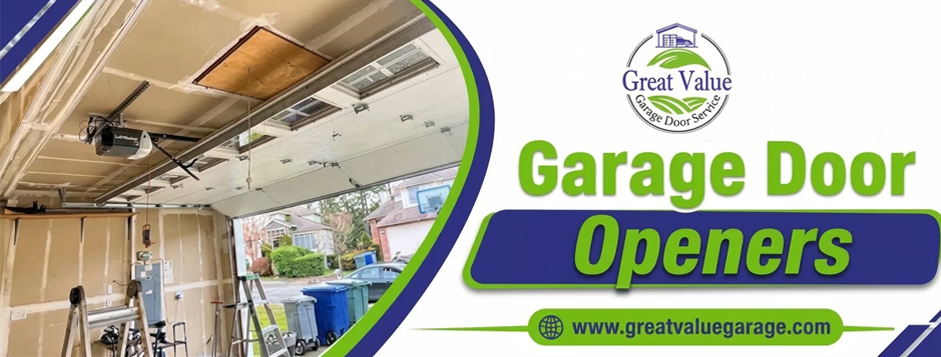
Inspect the wall control, remote, and keypad to make sure they work properly. Replace remote batteries when necessary.
If the opener runs but the door does not move, or the motor makes grinding noises, professional inspection may be needed.
Garage Door Safety Tips Every Homeowner Should Follow
Garage doors are heavy mechanical systems. Even a relatively small malfunction can cause injuries or property damage. Following basic safety practices is important for every household.
1. Test the Auto-Reverse Safety Feature
Modern automatic garage door openers include an auto-reverse feature designed to prevent the door from closing on an object or person.
Place a suitable test object, such as a flat piece of wood, on the floor beneath the door. When the closing door contacts the object, it should reverse direction.
Follow the opener manufacturer’s testing instructions. If the door does not reverse correctly, stop using the automatic system and arrange professional service.
2. Keep Safety Sensors Clean and Aligned
Most automatic garage door systems have photoelectric sensors near the bottom of the tracks. These sensors detect objects in the door’s path and prevent the door from closing when the beam is interrupted.
Clean the sensor lenses with a soft cloth and check that both sensors face each other.
If the door refuses to close or reverses unexpectedly, dirty, obstructed, or misaligned sensors may be responsible.
Never bypass or disable these safety devices to force the door to close.
3. Keep Children Away From Moving Components
Children should never play near an operating garage door. Keep remote controls, wall-mounted buttons, and keypads out of their reach.
Teach children that garage doors are not toys and that they should never stand, run, or climb underneath a moving door.
Always supervise young children when the garage door is operating.
4. Never Walk or Drive Under a Moving Door
Wait until the garage door has completely opened before entering or leaving the garage. Never attempt to walk or drive underneath a door that is still moving.
A damaged spring, broken cable, or mechanical failure could cause the door to fall unexpectedly.
5. Know How to Use the Emergency Release
Automatic garage doors generally have a manual emergency release that allows the door to be disconnected from the opener during a power outage.
Learn where the release is located and understand how it works by following the manufacturer’s instructions.
However, never pull the emergency release when the door is open or appears damaged, unbalanced, or unsupported. A door with a broken spring may fall suddenly.
6. Schedule Professional Inspections
Even when a garage door appears to work normally, certain problems may not be visible during a basic inspection.
A professional technician can examine springs, cables, rollers, tracks, opener settings, safety sensors, and other important components.
An annual inspection is a useful starting point, although heavily used doors may need more frequent attention.
Common Garage Door Problems and Their Warning Signs
Understanding common garage door issues can help homeowners recognize when professional repairs are necessary.
Garage Door Won’t Open or Close
This problem may result from dead remote batteries, electrical issues, damaged wiring, sensor problems, or opener malfunctions.
Check the power supply and remote batteries first. If the problem continues, arrange a professional inspection.
Loud or Unusual Noises
Grinding, squeaking, rattling, and banging sounds may indicate worn rollers, loose hardware, inadequate lubrication, or damaged components.
Do not ignore persistent noises. Identifying the cause early can help prevent further damage.
Broken Garage Door Springs
Garage door springs support the door’s weight and help it move safely. When a spring breaks, the door may become extremely heavy or stop opening properly.
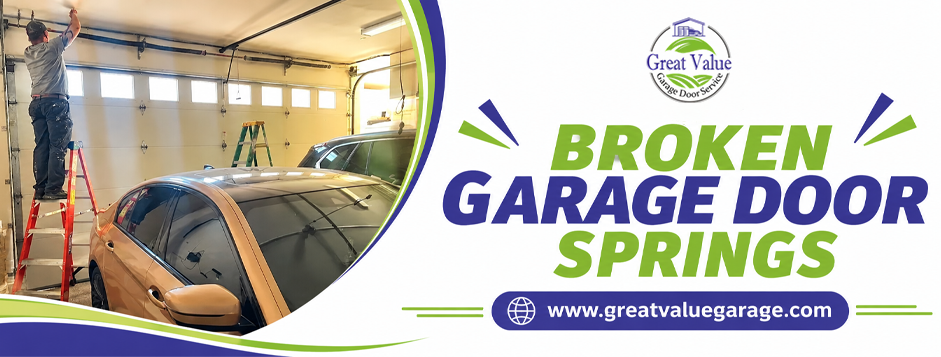
A loud bang from the garage may also indicate a broken spring.
Spring replacement should always be handled by trained professionals because these components carry dangerous tension.
Door Moving Off Its Tracks
A garage door that has come off its tracks may hang unevenly, become stuck, or move at an angle.
Stop operating the door immediately. Do not attempt to force it back into position, as this can cause additional damage or injury.
Garage Door Remote Not Working
Remote control problems can result from dead batteries, signal interference, damaged remotes, or opener programming issues.
Try replacing the batteries first. If the remote still does not work, the opener system may need attention.
When Should You Call a Professional Garage Door Technician?
Some maintenance tasks are safe for homeowners, but mechanical repairs require proper training and equipment.
Contact a professional if you notice:
- Broken or stretched garage door springs.
- Frayed, loose, or damaged lifting cables.
- Bent or severely misaligned tracks.
- A door that suddenly becomes too heavy to lift.
- An opener that makes unusual grinding or clicking noises.
- Damaged panels affecting the door’s structure.
- Safety sensors that fail to respond correctly.
- A door that repeatedly reverses or gets stuck.
Avoid attempting spring replacement, cable repairs, track adjustments, or major opener repairs yourself. These jobs involve components that can cause serious injuries when handled incorrectly.
How Often Should You Maintain Your Garage Door?
A regular maintenance schedule makes it easier to identify developing problems and keep the system operating reliably.
Here is a simple schedule homeowners can follow:
| Maintenance Task | Recommended Frequency |
| Visual inspection | Monthly |
| Check safety sensors | Monthly |
| Test auto-reverse feature | Monthly |
| Clean exterior surfaces | Every 2 to 3 months |
| Lubricate approved moving parts | Every 3 to 6 months |
| Inspect weatherstripping | Every 6 months |
| Professional inspection | At least annually |
These are general guidelines. Always follow the manufacturer’s maintenance recommendations and adjust the schedule based on how frequently the door is used.
Choosing the Right Garage Door for Your Home
If your existing garage door is severely damaged or approaching the end of its useful life, replacement may be a better option than repeated repairs.
Consider these factors before choosing a new door:
- Material: Steel, wood, aluminum, and composite doors offer different levels of durability, maintenance requirements, and appearance.
- Insulation: Insulated garage doors can help reduce heat transfer and improve comfort, especially when the garage is attached to your home.
- Security: Look for strong construction, reliable locking features, and a dependable automatic opener.
- Appearance: Choose a style and finish that complement your home’s exterior.
- Maintenance: Consider how much cleaning, painting, and general upkeep the material requires.
- Budget: Compare the initial cost, expected maintenance, installation, and long-term performance.
A professional garage door installer can help you select a door that fits your property, daily needs, and budget.
Reliable Garage Door Services from Great Value Garage Door
At Great Value Garage Door, we understand how important a properly functioning garage door is to your home’s security and everyday convenience. We provide professional garage door repair, installation, and maintenance services in Tacoma, WA, and surrounding communities. Our services include broken spring replacement, garage door opener repair, sensor repair, off-track door repair, and damaged panel replacement. We work with residential and commercial customers and focus on dependable workmanship, quality parts, and transparent pricing. Whether you are dealing with an unexpected breakdown or planning to install a new garage door, our team is ready to help. We also offer emergency garage door service for urgent problems. If you need professional assistance, contact us to request a free estimate.
Conclusion
A garage door is an important part of your property’s security, functionality, and appearance. Regular maintenance, timely repairs, and proper safety practices can help prevent unexpected breakdowns and keep the system operating smoothly.
Homeowners should inspect visible components, clean the door, check safety sensors, and follow a consistent maintenance schedule. At the same time, problems involving springs, cables, tracks, and other high-tension components should always be handled by qualified technicians.
Taking care of your garage door today can help prevent costly problems tomorrow. If you notice unusual noises, uneven movement, or other signs of damage, arrange a professional inspection rather than waiting for the problem to become worse.
Frequently Asked Questions
1. How often should I perform garage door maintenance?
You should visually inspect your garage door every month and check its safety sensors and auto-reverse feature regularly. Lubricate approved moving parts every 3 to 6 months and schedule a professional inspection at least once a year.
2. What are the common signs that my garage door needs repair?
Common warning signs include unusual grinding or squeaking noises, slow or uneven movement, difficulty opening or closing, broken springs, damaged cables, and doors that get stuck halfway. Contact a professional technician if you notice any of these issues.
3. How can I make my garage door safer for my family?
Test the auto-reverse feature regularly, keep safety sensors clean and aligned, keep children away from moving parts, and never walk or drive under a moving door. Keep remote controls out of children’s reach and schedule regular professional inspections.
4. Can I repair my garage door myself?
Homeowners can handle basic maintenance tasks such as cleaning the door, checking sensors, replacing remote batteries, and lubricating approved moving parts. However, repairs involving springs, cables, tracks, and electrical components should be handled by trained professionals to avoid serious injuries.
5. When should I replace my garage door instead of repairing it?
Consider replacing your garage door if it has extensive structural damage, frequent mechanical failures, poor insulation, outdated safety features, or repair costs that are close to the price of replacement. A professional technician can inspect the system and help you decide whether repair or replacement is the better option.